

Why Do Hardwood Floors Develop Gaps, Cupping, and Squeaks Over Time?
Hardwood floors are one of the most desirable flooring options for homeowners because of their durability, natural beauty, and timeless appeal. A well-maintained hardwood floor can last for generations, adding warmth and value to a home while creating a finished look that complements nearly any style.
However, even high-quality hardwood floors are not completely maintenance-free. Because wood is a natural material, it responds to changes in moisture, temperature, and indoor conditions. Over time, homeowners may notice issues such as gaps forming between boards, uneven sections of flooring, or creaking sounds when walking through certain areas of the home.
These problems are common, especially in areas like Minnesota where seasonal changes can create significant shifts in indoor humidity. Dry winters, humid summers, and temperature fluctuations can all impact how hardwood flooring expands and contracts throughout the year.
The good news is that many hardwood flooring problems can be repaired or improved without replacing the entire floor. Identifying the cause of the issue is the first step toward finding the right solution.
Why Do Hardwood Floors Develop Issues Over Time?
Hardwood flooring naturally expands and contracts as moisture levels change. During humid months, wood absorbs moisture from the air and expands. During dry periods, especially when heating systems are running during Minnesota winters, wood loses moisture and contracts.
These movements are normal, but problems can develop when changes are excessive or when the flooring system has underlying issues.
Some common causes of hardwood flooring problems include:
- Seasonal humidity fluctuations
- Improper installation or acclimation
- Water damage or moisture exposure
- Aging materials
- Subfloor movement
- Lack of regular maintenance
Understanding what is causing the problem is important because different issues require different solutions. Repairing the visible symptom without addressing the underlying cause can lead to recurring damage.
How Do Hardwood Floor Gaps Happen? How Are They Repaired?
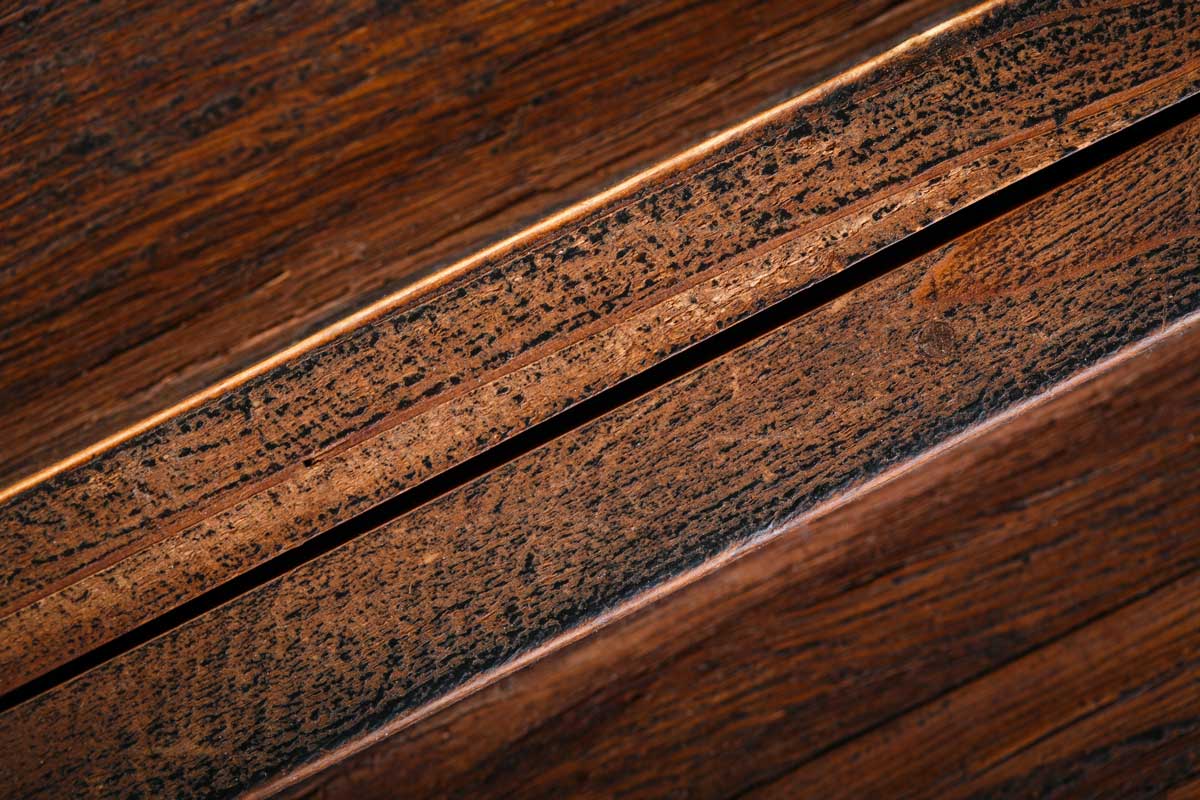
One of the most common hardwood flooring concerns homeowners notice is the appearance of spaces between individual boards. These gaps can range from small seasonal openings to larger spaces that affect the overall appearance and function of the floor.
Some minor gaps are a natural result of hardwood movement. During Minnesota’s colder months, indoor heating can create very dry conditions that cause wood planks to shrink slightly. When humidity levels rise again, some of these gaps may naturally close.
However, larger or persistent gaps may indicate that the flooring requires professional attention.
What Causes Gaps Between Hardwood Boards?
Several factors can contribute to gaps in your hardwood floor, including:
- Seasonal changes in humidity: Wood responds to air moisture. Low humidity causes boards to contract, while higher humidity causes them to expand. Regular seasonal movement is expected, but extreme changes can make gaps more noticeable.
- Installation conditions: Hardwood flooring needs time to adjust to the environment where it will be installed. If the wood was not properly acclimated before installation, excessive movement may occur later.
- Moisture imbalance: If one area of flooring experiences different moisture conditions, boards may move unevenly, creating a visible separation.
- Aging flooring: Older hardwood floors may naturally develop gaps over many years as materials change and experience repeated cycles of expansion and contraction.
How Is Hardwood Floor Gap Repair Completed?
The right approach for hardwood floor gap repair depends on the size of the gaps and the overall condition of the flooring.
For smaller gaps caused by normal seasonal movement, adjusting indoor humidity may be enough to improve the appearance. Maintaining consistent humidity levels can help reduce excessive expansion and contraction.
For larger gaps, professional repair options may include:
- Filling gaps with appropriate wood materials
- Replacing damaged boards
- Repairing affected sections
- Sanding and refinishing the floor after repairs
A professional assessment is important before filling gaps because some spaces may be temporary. Filling a gap that later closes naturally can create pressure between boards and lead to additional damage.
Causes & Solutions of Hardwood Floor Cupping
Cupping is another common issue found in hardwood flooring. This occurs when the edges of individual boards curl upward while the center of the board remains lower.
When viewed from the side, the floor may appear slightly curved or uneven.
Typically, cupping is caused by a moisture imbalance. When one side of a hardwood board absorbs more moisture than the other side, the wood expands unevenly and begins to change shape.
What Causes Hardwood Floor Cupping?
Common causes include:
- Water leaks
- Plumbing issues
- Excess moisture beneath the flooring
- High indoor humidity
- Improper moisture protection during installation
- Flooding or significant spills
Because moisture is usually the cause, identifying and correcting the source is the most important step.
Can You Fix Wood Floor Cupping?
There are a few ways to fix wood floor cupping, but the correct repair depends on the severity of the issue.
In mild cases, the flooring may gradually return closer to its original shape after moisture levels stabilize. However, severe cupping may require more extensive repairs.
Professional solutions may include:
- Removing the source of moisture
- Allowing the wood to dry completely
- Replacing severely damaged boards
- Sanding and refinishing once the floor has stabilized
One important consideration is timing. Sanding a cupped floor too soon can remove material unevenly, leading to additional problems. The flooring must be properly evaluated before refinishing begins.
Why Do Hardwood Floors Creak or Squeak?
Creaking floors are another common frustration for homeowners. While a few occasional sounds may be normal in an older home, persistent squeaks can become distracting and may indicate movement within the flooring system.
Floor squeaks typically happen when two surfaces rub against each other. As someone walks across the floor, movement between boards, fasteners, and the subfloor creates friction that produces noise.
Common Causes of Floor Squeaks
Hardwood floors may begin squeaking because of:
- Loose nails or fasteners
- Movement between the hardwood and the subfloor
- Subfloor separation
- Seasonal wood movement
- Natural settling over time
Minnesota’s changing humidity levels can contribute to these issues by causing materials to expand and contract.
How Does Floor Squeak Repair Work?
Effective floor squeak repair starts with identifying where the movement is occurring.
Depending on the cause, repairs may involve:
- Securing loose flooring components
- Reinforcing areas beneath the floor
- Stabilizing movement between layers
- Repairing problem sections
A surface-level repair may not solve the issue if the movement is occurring underneath the flooring. A professional inspection helps ensure the repair addresses the actual source of the noise.
How to Prevent Hardwood Flooring Problems
While hardwood floors naturally change over time, proper care can help minimize many common issues.
Homeowners can protect their floors by:
- Maintaining consistent indoor humidity levels
- Cleaning spills quickly
- Avoiding excessive water during cleaning
- Using furniture pads to prevent scratches
- Scheduling routine maintenance
- Addressing small issues before they worsen
Regular maintenance is especially important for older hardwood floors. Professional cleaning, refinishing, or repairs can help restore the appearance of worn flooring and extend its lifespan.
When Should You Schedule a Hardwood Floor Inspection?
Some hardwood flooring issues are minor, while others indicate a larger concern. If you notice expanding gaps, visible cupping, or worsening squeaks, it is a good idea to have your floors professionally evaluated.
An inspection can help determine:
- The cause of the problem
- Whether repairs are possible
- The best repair method
- Whether refinishing or replacement is recommended
Addressing problems early can help prevent more extensive damage and preserve the beauty of your hardwood flooring.
Restore Your Hardwood Floors With Dave’s Floor Sanding
Hardwood flooring issues do not always mean your floors need to be replaced. Many common concerns, including gaps, cupping, and squeaks, can be improved with professional repair and maintenance.
At Dave’s Floor Sanding, we help Minnesota homeowners restore their hardwood floors with expert sanding, refinishing, and repair services. Our team understands how local climate conditions can affect hardwood flooring and can recommend solutions designed for long-lasting results.
Whether you need to repair hardwood floor gaps, want to fix wood floor cupping, or are looking for reliable floor squeak repair, Dave’s Floor Sanding can evaluate your floors and help determine the right next step.
Contact Dave’s Floor Sanding today to request an inspection and repair estimate and restore the beauty, comfort, and performance of your hardwood floors.