

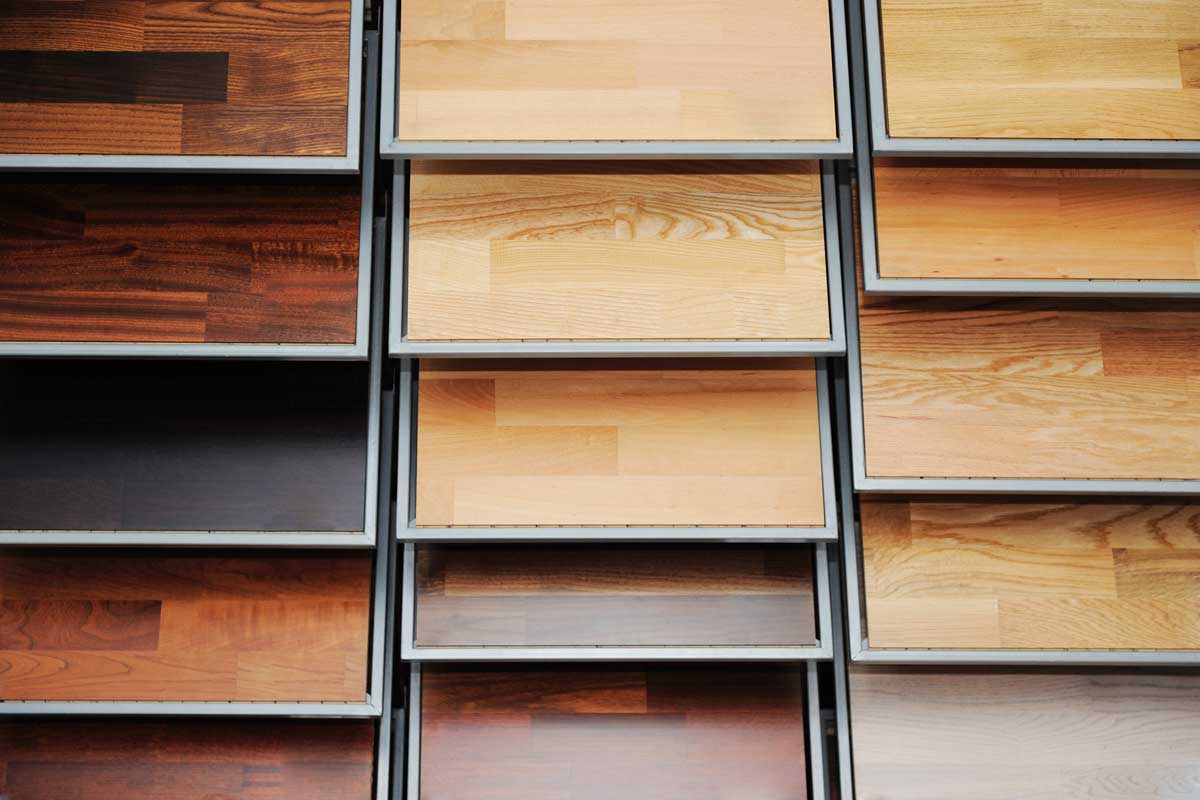
Tips For Blending New Hardwood Flooring With Your Existing Floors
Replacing or adding hardwood flooring can be an exciting way to update your home, but it also comes with an important design challenge: making sure the new flooring blends naturally with what is already there.
Whether you are expanding hardwood into a new room, repairing damaged areas, or completing a home renovation, matching new hardwood to existing floors requires careful attention to detail. Hardwood changes over time, and factors like wood species, stain color, board width, finish, and natural aging can all affect how well new flooring blends with older floors.
A close match does not happen by simply choosing a similar-looking plank from a showroom. The goal is to create a seamless transition where the new flooring feels like it has always been part of your home.
Keep reading to learn what to consider when blending new hardwood with old flooring and how professionals approach the matching process.
Why Is Matching New Hardwood to Existing Floors So Challenging?
Many homeowners assume that hardwood flooring is easy to match because the materials may look similar at first glance. However, even small differences can become noticeable once new boards are installed next to older flooring.
Over time, hardwood floors naturally change. Sunlight, cleaning products, foot traffic, and general aging can affect the color and appearance of the wood.
An original hardwood floor may have:
- Darkened or faded with age
- Developed a unique patina
- Changed color due to sunlight exposure
- Been refinished with a different stain or finish
- Experienced wear patterns from everyday use
Because of these changes, installing brand-new hardwood beside older flooring often creates a visible contrast. Matching the new floor requires looking beyond the surface and considering the characteristics that make your existing flooring unique.
Start With the Wood Species
The first step in matching hardwood flooring is identifying the species of wood already installed in your home.
Different wood species have their own grain patterns, colors, textures, and natural characteristics. Even when two floors are stained the same color, different species may absorb the stain differently and create a noticeable difference.
Common hardwood species include:
- Oak
- Maple
- Hickory
- Cherry
- Walnut
For example, oak is known for its distinctive grain pattern and durability, while maple typically has a smoother, more subtle appearance. Installing a different species may make it difficult to achieve a seamless match.
When possible, using the same wood species as your existing flooring provides the strongest foundation for creating a consistent look.
Consider Board Width and Flooring Style
The size and style of hardwood boards also play an important role in creating a successful match.
Older homes often feature narrower hardwood planks, while newer installations may use wider boards. Even if the wood species and stain are similar, a difference in board width can make the new flooring stand out.
When matching existing hardwood, professionals will consider:
- Board width
- Plank length
- Installation pattern
- Edge details
- Overall flooring style
Matching these details helps maintain the visual flow of the space and prevents the new flooring from looking like an obvious addition.
Matching Stain Color Requires More Than Choosing a Similar Shade
One of the biggest challenges homeowners face is matching stain colors between new and existing hardwood.
A stain that looks similar on a sample board may appear completely different once applied to the actual wood. This is because every piece of hardwood has its own natural characteristics, including grain patterns and color variations.
Older floors can also be difficult to match because the existing stain may have changed over time.
To create a closer match, professionals may test different stain combinations and compare them against the existing floor before completing the project.
The process may involve:
- Examining the current floor color
- Testing stain samples
- Adjusting stain mixtures
- Comparing results under different lighting conditions
This extra attention helps create a more seamless transition between old and new flooring.
Refinishing Your Floor Can Create a More Consistent Look
In some cases, the best way to match new hardwood to existing floors is to refinish both areas.
Even when new boards are carefully selected, the older floor may still look different because of years of aging and wear. Refinishing allows the entire surface to receive the same stain and protective finish.
This approach can help:
- Blend color differences
- Refresh worn areas
- Create a uniform appearance
- Extend the life of your hardwood floors
If you are adding hardwood to a larger area, refinishing may provide the most natural-looking result.
Plan Transitions Between Different Flooring Areas
Not every hardwood addition requires a perfect match. Sometimes, creating an intentional transition is the best design choice.
For example, a new hardwood floor may connect to an existing floor in a hallway, doorway, or open-concept living space. In these situations, the transition between the two areas should look purposeful rather than accidental.
Professional installers can help determine the best approach, whether that means:
- Matching the existing flooring as closely as possible
- Creating a visual separation between spaces
- Using transition pieces or design details
A thoughtful transition can make different flooring areas feel connected while still allowing each space to have its own character.
Why Is Professional Installation So Important?
Matching hardwood flooring is a detail-focused process that requires experience with different wood types, stains, finishes, and installation methods.
A professional flooring team can help evaluate your existing floors and recommend the best approach based on your goals. They can identify the closest material match, test stain options, and install the new flooring to complement your home.
Professional installation helps ensure:
- Better material selection
- More accurate stain matching
- Proper installation techniques
- A finished result that looks intentional
Trying to match hardwood without experience can lead to costly mistakes, especially when the goal is a seamless appearance.
Dave’s Floor Sanding Can Match Your Hardwood Floors
Adding new hardwood flooring does not mean your home has to look mismatched. With careful planning and attention to details like wood species, stain, board width, and transitions, new flooring can blend beautifully with your existing floors.
.
If you are unsure how to match your existing floors or where to start with your flooring installation project, contact Dave’s Floor Sanding today and ask us to help match your flooring!